How Spend Management Software Improves Visibility Across Departments, Vendors, and Sites
Modern businesses handle spending across many departments, vendors, and sites. Yet, most still depend on old systems and spreadsheets that don’t connect. This lack of coordination often leads to delays, lost data, and poor visibility into where money goes.
Spend management software solves these problems by bringing all spend data together in one place. It helps teams see spending in real time, reduce errors, and make faster decisions.
In this article, we look at how this type of software closes visibility gaps, what makes a great platform, and why connected financial oversight matters for growing organisations.

The Visibility Gap in Traditional Expense Management
Older expense management systems were built for simpler operations. As companies expand, they quickly show their limits.
Common issues include:
- Siloed data: Each department tracks expenses separately, making it hard to see the overall picture.
- Slow reporting: Manual reconciliations and inconsistent formats delay access to accurate numbers.
- Inconsistent policies: Without automation, expense rules are applied unevenly across teams.
These problems reduce financial agility. Teams often work with outdated data, which affects forecasting and spend control.
Today, visibility and automation are essential for any finance team that wants accuracy and control. That’s why many are turning to spend management software as a smarter, faster alternative.
How Spend Management Software Bridges the Visibility Gap
Modern spend management software removes blind spots caused by disconnected systems. It centralises all spend data, automates approvals, and turns information into clear insights that can be accessed anytime, from anywhere.
With one connected view, teams no longer waste time chasing receipts or reconciling spreadsheets, everything is visible and traceable.
Here’s what it can do:
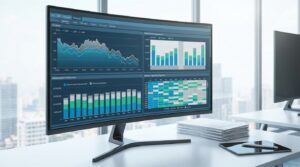
- Centralised dashboards: Show all spend, from virtual cards to invoices, in one view. This helps leaders spot trends, compare departments, and track spending against budgets.
- Automated approvals: Speed up requests while keeping them within company policies. Approval chains are transparent, so everyone knows the status of each transaction.
- Virtual cards: Give departments or projects spending power with built-in limits for better control and easier reporting.
- Real-time reports: Provide instant updates so teams can track spend and adjust budgets quickly.
Beyond automation, the real value lies in visibility. Finance teams can see how and where money is used across departments, vendors, and sites, helping them identify inefficiencies and make smarter decisions.
Integration with ERP and Enterprise Performance Management (EPM) systems means data flows smoothly between platforms. This removes duplication and ensures financial data is always accurate and up to date.
With connected systems and clear insights, organisations gain control, accountability, and confidence, turning everyday transactions into strategic financial intelligence.

Hallmarks of a Top-Tier Spend Management Software Platform
Not all management software offers the same value. As organisations grow, they need tools that are flexible, scalable, and easy to use. The best platforms share these traits:
- Unified structure: Combines expense, procurement, and finance data in one system.
- Scalable design: Works across multiple entities, currencies, and sites.
- AI-powered insights: Spots unusual spend, predicts overspending, and suggests ways to save.
- Custom controls: Lets users set approval levels and rules to fit their structure.
- Easy integration: Connects with ERP, payroll, and reporting tools without extra effort.
When choosing a solution, ask simple questions:
- Does it show spend in real time?
- Can it grow with the organisation?
- Does it work well with existing systems?
- Are the reports easy to use and understand?
Top software does more than just track spend; it helps teams manage it with confidence.
Real-World Impact: Visibility That Drives Smarter Decisions
The benefits of spend management software are clear and measurable. Businesses that use it often report:
- Better transparency: Every manager can see real-time spend data, which makes it easier to stay within budgets and justify expenses.
- Vendor improvement: Duplicate or underperforming suppliers are easier to identify, and stronger partnerships can be formed with high-performing vendors.
- Stronger compliance: Automated rules reduce policy breaches and audit issues, giving finance teams peace of mind during reviews.
The impact goes beyond numbers. With full visibility, teams can make faster decisions and respond to changes quickly. Finance leaders gain a deeper understanding of cost drivers and can adjust strategies before issues escalate. Departments no longer operate in isolation, they share insights that lead to better planning and smoother collaboration.
Visibility changes how finance teams work. It shifts the focus from reacting to spend to managing it proactively. The result is a more agile, confident organisation where financial decisions directly support long-term growth and performance.
The Future of Spend Management: AI, Automation, and Predictive Control
The next generation of spend management software will be defined by intelligence, speed, and connection. As technology evolves, businesses will move from tracking spend to predicting and controlling it before it happens.
Predictive Analytics for Proactive Budgeting
Predictive analytics will become a core feature of spend management. Using past data, the system will forecast future spending patterns, identify risks, and highlight areas where savings can be made. This allows finance teams to act early, adjusting budgets and strategies before problems arise. Instead of reacting to overspending, teams can prevent it altogether.
Automation That Works in the Background
Automation will continue to simplify day-to-day processes. Routine tasks such as approvals, reconciliations, and policy checks will run automatically, freeing teams to focus on analysis and planning. Automated alerts will flag unusual or noncompliant spend instantly, helping maintain oversight without micromanagement. This makes financial control smoother, faster, and more consistent.
Integration With Digital Payment Tools
The future will also see deeper integration with virtual cards, digital wallets, and online payment systems. These tools will make transactions faster and safer while providing instant visibility into every purchase. Each payment will automatically feed into the central system, reducing manual entry and improving accuracy.
Turning Data Into Strategic Foresight
These innovations fit naturally into broader Enterprise Performance Management (EPM) strategies. When spend data connects with performance data, it creates a complete picture of operational health. Finance leaders can use this insight to plan more effectively, allocate resources with precision, and guide the business toward long-term growth.
Building a Culture of Financial Visibility
True visibility is more than data, it’s about using that data to drive action. When teams work with clear, connected information, they make better decisions and manage resources more effectively.
By using spend management software, organisations gain not just control but a deeper understanding of how money moves across the business. This knowledge builds a culture of accountability and smarter planning.
Spend management software closes visibility gaps, automates expense control, and connects financial data across departments, vendors, and sites. It simplifies complex processes, improves accuracy, and supports confident decision-making.
Download our white paper: Enhancing Enterprise Operations with Smart Stream Application to see how Adapt IT EPM helps businesses achieve smarter, connected financial management.

As the Head of Retention within the Adapt IT EPM division, Chris brings 25 years of expertise to the
table. Over the past 8 years at Adapt IT, his focus has been on delivering and implementing various
SmartStream Application solutions to enterprise customers. This allows our clients to use Streamline
Expense management platform to manage any type of supplier invoice end-to-end including our
Streamline Utility management platform which process landlord and municipality invoices through
this integrated platform. Chris’s responsibilities encompass building strong relationships with our
existing customer base with his expert team as support. He is deeply passionate about retaining our
customers but also to grow and implement new solutions across our customer base.