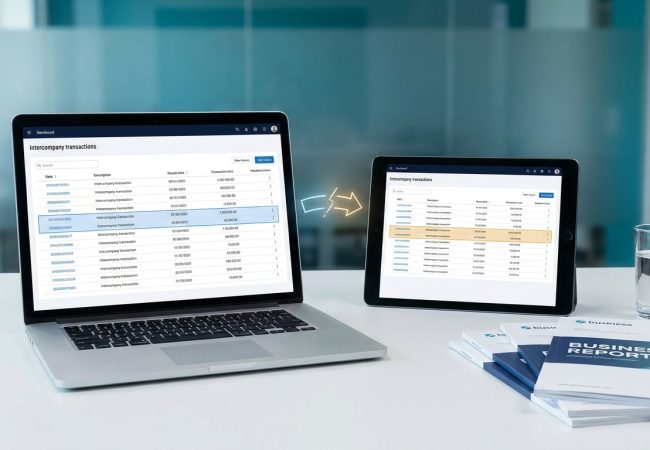
For any enterprise with several subsidiaries, business units, or geographies, intercompany reconciliation is central to an accurate and compliant financial close. Yet in many organisations, it remains a manual, error-prone, deadline-driven process. When intercompany balances do not agree, consolidations slow down, audits become more difficult, reported figures may be overstated, and finance teams feel the pressure.
As enterprises grow, add entities, operate across borders, and transact in multiple currencies, the volume and detail of intercompany activity increase quickly. Without the right technology and processes, reconciliation becomes a bottleneck that puts the integrity of the financial reporting framework at risk.
This post explains why intercompany reconciliation often fails in practice, what a sound workflow looks like, and how automated financial consolidation software helps enterprises report accurately and reduce reconciliation risk at scale.
Common Failure Points in Intercompany Reconciliation
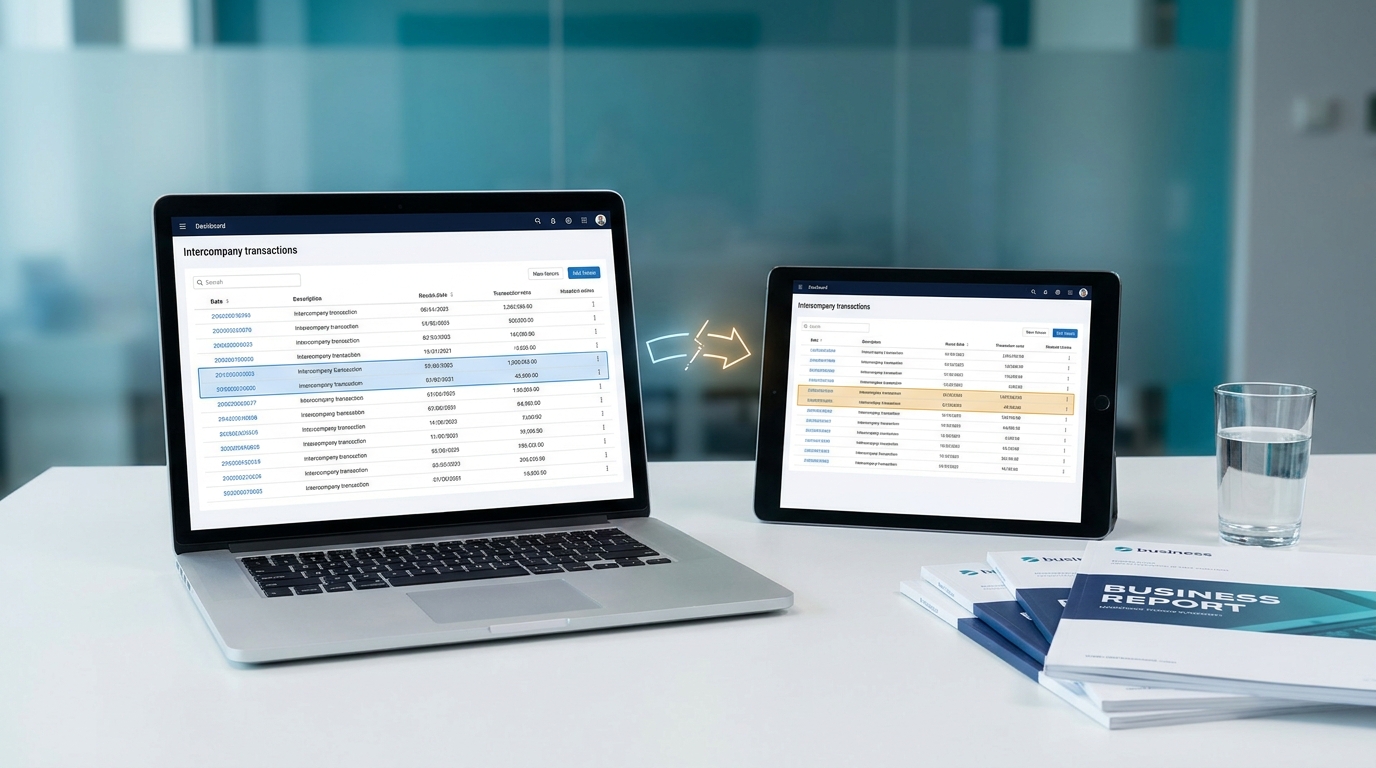
Illustration: Common Failure Points in Intercompany Reconciliation
Before looking at solutions, it helps to understand where and why intercompany reconciliation breaks down. The following four challenges are familiar, but together they have a real impact on the close process.
-
Mismatched transaction data across entities: Intercompany sales and purchases often do not mirror each other because of differences in account coding, descriptions, invoice references, or posting dates. The result is slow, manual line-by-line matching in spreadsheets.
-
Currency translation differences: Entities may use different exchange rates or apply rates at different times. This creates explainable but time-consuming mismatches that must be investigated and documented, especially for audit.
-
Timing gaps between entities: Goods in transit, invoices in approval, and accruals recorded in only one entity create apparent mismatches at period end. These timing differences add complexity when they are managed manually.
-
Decentralised processes and manual workarounds: Email confirmations, shared spreadsheets, and disconnected ERP systems introduce version control issues, keying errors, and limited visibility. Under close pressure, teams may post adjusting entries that hide, rather than resolve, underlying discrepancies.
What Best-Practice Intercompany Reconciliation Looks Like
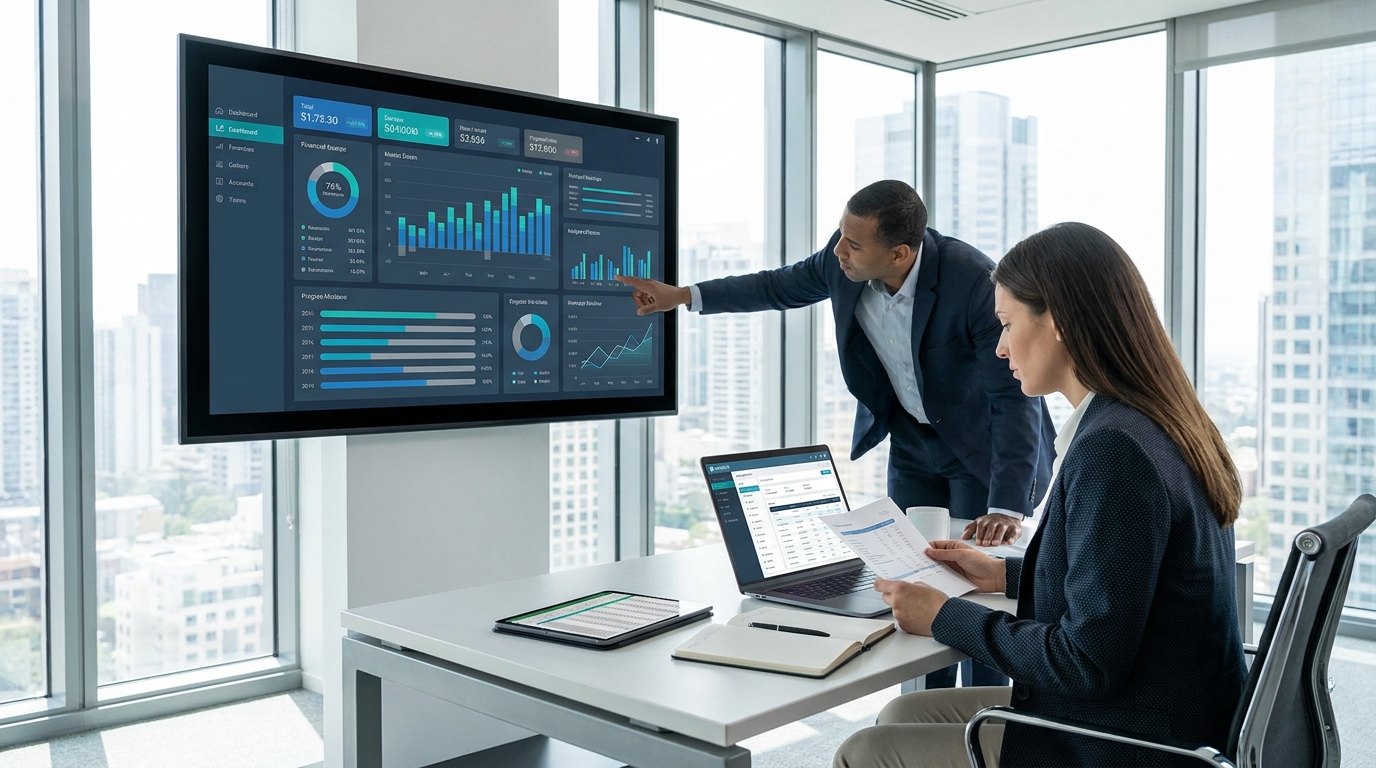
Illustration: What Best-Practice Intercompany Reconciliation Looks Like
An effective intercompany reconciliation process prevents many issues from arising and handles unavoidable differences in a clear and repeatable way. The five-step workflow below shows how this operates when supported by modern financial consolidation software.
Step 1: Centralised Intercompany Transaction Capture
The process starts with a single, centralised platform that captures intercompany transactions from all entities in the group. Instead of each subsidiary submitting data independently and hoping that corresponding entries align, a consolidated platform enforces consistent coding, currency handling, and transaction references from the start. This setup sharply reduces the number of discrepancies that need investigation at period end.
Step 2: Automated Matching and Exception Identification
With data centralised, automated matching rules compare intercompany balances across entities and flag exceptions that exceed a set threshold or lack a matching entry. This removes the need for manual line-by-line reconciliation and lets finance teams focus on real discrepancies instead of confirming entries that already agree.
IBM Cognos Controller and Board Group Consolidation both support configurable matching and intercompany elimination rules that fit specific relationships and transaction types in a group. The system handles the detailed checks while the team keeps full visibility and control.
Step 3: Structured Dispute Resolution and Workflow
When discrepancies arise, a structured workflow routes them to the right entity for action. The responsible team receives a notification, reviews the supporting transaction detail, and either corrects the entry or records an agreed explanation. All actions are logged with a full audit trail, so controllers and auditors can see how every difference was handled.
This structured approach replaces ad hoc email threads and spreadsheet notes and reduces the time spent chasing entities for confirmations during the close.
Step 4: Automated Intercompany Elimination
Once intercompany balances are agreed, they must be removed in the consolidation so internal transactions do not inflate group revenue, costs, assets, or liabilities. Automated intercompany elimination rules apply these adjustments based on defined logic instead of manual journals.
This approach reduces the risk of missed or incorrect eliminations and keeps the consolidation auditable. Every elimination links back to the original intercompany transaction data, supporting the level of transparency auditors and regulators expect.
Step 5: Real-Time Visibility and Group Reporting
The final step is consolidation reporting that reflects the current status of intercompany reconciliation in real time. At any point in the close, group finance can see:
-
Which entity pairs have agreed balances
-
Which pairs still have discrepancies
-
The remaining impact on the consolidated position
This level of visibility allows the team to manage the close proactively, identify risks early, and direct effort where it is needed.
How IBM Cognos Controller and Board Group Consolidation Address These Challenges

Illustration: How IBM Cognos Controller and Board Group Consolidation Address These Challenges
Adapt IT EPM partners with established enterprise technology providers to deliver consolidation and planning solutions built for complex multi-entity financial management. IBM Cognos Controller and Board Group Consolidation provide advanced capabilities for automated reconciliation for enterprises, including intercompany reconciliation and elimination.
IBM Cognos Controller
IBM Cognos Controller is financial consolidation software that automates intercompany reconciliation and intercompany elimination from end to end. Five key capabilities include:
-
Automated intercompany matching: The platform matches intercompany transactions across entities, identifies agreements, and flags discrepancies without manual effort.
-
Configurable elimination rules: Elimination logic can be defined at a detailed level, such as by entity pair, account type, or transaction category, so internal transactions are removed from the consolidated position in a consistent way.
-
Currency translation and restatement: Built-in currency handling applies consistent translation rates across entities, with clear insight into how exchange rate differences affect intercompany balances.
-
Audit trail and compliance reporting: Every reconciliation action, elimination entry, and adjustment is logged, creating a complete and auditable view of the consolidation process.
-
Integration with source systems: IBM Cognos Controller connects to ERP and general ledger systems so intercompany data stays current and does not rely on manual re-entry.
Board Group Consolidation
Board Group Consolidation extends the Board platform into statutory consolidation and intercompany management. It suits enterprises that want planning, consolidation, and reporting in one environment. Four key features include:
-
Unified planning and consolidation: Intercompany reconciliation runs in the same platform used for budgeting and forecasting, with a single data model that removes the need to reconcile separate tools.
-
Real-time intercompany status dashboards: Controllers can track reconciliation status for every entity pair in real time and drill down to transaction detail when needed.
-
Automated workflow and notifications: Discrepancy resolution workflows are built into the platform, with notifications that help subsidiary teams respond in line with close timelines.
-
Scalable multi-entity architecture: Board Group Consolidation scales with changes in group structure, such as new entities, restructures, or ownership changes, without major rework.
What Enterprises Gain from Automated Intercompany Reconciliation
The value of automated intercompany reconciliation reaches beyond reduced manual effort. For enterprise finance functions, the case rests on five clear outcomes:
-
Short financial close: Automated matching and elimination rules cut the time spent on intercompany reconciliation, which supports a short, predictable close cycle.
-
Accurate reporting: Systematic removal of intercompany balances reduces the risk of material misstatements and supports a clean and defensible consolidated position.
-
Lower audit effort: A full audit trail of reconciliation activity and elimination entries gives auditors the evidence they need without asking teams to rebuild manual work.
-
Focused use of finance skills: When reconciliation is automated, finance professionals can move from low-value data matching to analysis, commentary, and decision support.
-
Built-in scalability: Automated platforms handle higher transaction volumes and new entity relationships without a matching rise in manual work, which supports long-term growth.
Move Towards a Faster, More Accurate Close
Intercompany reconciliation does not need to be a bottleneck. With the right platform, clear processes, and a capable partner, it can become a streamlined, automated, and auditable step in the financial close, freeing finance teams to focus on delivering timely insight to the business.
Adapt IT EPM helps organisations transform intercompany reconciliation using IBM Cognos Controller and Board Group Consolidation. To discuss how these Corporate Enterprise Performance Management solutions can support your group’s specific needs and challenges, book a demo with Adapt IT EPM.

As the Head of Retention within the Adapt IT EPM division, Chris brings 25 years of expertise to the
table. Over the past 8 years at Adapt IT, his focus has been on delivering and implementing various
SmartStream Application solutions to enterprise customers. This allows our clients to use Streamline
Expense management platform to manage any type of supplier invoice end-to-end including our
Streamline Utility management platform which process landlord and municipality invoices through
this integrated platform. Chris’s responsibilities encompass building strong relationships with our
existing customer base with his expert team as support. He is deeply passionate about retaining our
customers but also to grow and implement new solutions across our customer base.